Peptide Storage and Stability: Keeping Your Research Vials Sound
Lyophilized vs reconstituted storage, −20 °C vs 2–8 °C, freeze-thaw effects, and the practical rules that protect expensive research material.
Peptide Storage and Stability
Lyophilized peptides are built to last — that’s the whole reason they’re freeze-dried. But the storage rules shift the moment you add water, and getting that transition wrong is how expensive research material gets ruined.
Dry powder: cold and dry
Lyophilized peptides are stable at −20 °C for extended periods. Two enemies:
- Heat — every degree shortens the shelf life.
- Moisture — the powder is hygroscopic; a humid vial is a degraded vial.
Keep vials sealed in their original packaging, away from freezer frost, and only open them at room temperature (let the vial warm before breaking the seal, so condensation doesn’t form on the powder).
Reconstituted: cold, not frozen
Once dissolved in bacteriostatic water, the rules change:
- Store at 2–8 °C (refrigeration).
- Use within the stability window on the Certificate of Analysis.
- Do not freeze-thaw reconstituted solutions — ice crystal formation and repeated phase changes stress the peptide.
If a protocol needs multiple portions, aliquot before reconstituting into sterile vials, or reconstitute the full vial and portion the solution per the COA window.
The storage-vs-reconstitution interplay
Storage choice depends on what stage the material is in — and the reconstitution calculator presets mirror the catalog’s storage specs. The reconstitution guide covers the solvent side; the bacteriostatic water guide covers why that solvent is standard.
Practical rules
- Write the reconstitution date on the vial.
- Use a fresh syringe per draw — contamination is the quiet killer.
- Check the COA: it lists both the lyophilized and solution stability expectations.
Full storage specs are on each product page — BPC-157, TB-500, GHK-Cu.
For laboratory research use only. Not medical advice.
FAQ
Frequently asked questions
What temperature do lyophilized peptides need?
−20 °C in dry form is the standard across the catalog. Keep vials away from moisture — the powder is hygroscopic.
What about after reconstitution?
Refrigerate reconstituted solutions at 2–8 °C and use within the documented stability window on the Certificate of Analysis. Avoid freeze-thaw cycles on solutions.
Can I refreeze a reconstituted vial?
Generally not recommended — freeze-thaw on solutions can affect stability. Aliquot before reconstituting if you need multiple portions.
Keep reading
Related articles
Peptide Reconstitution: A Practical Guide to BAC Water Math
How to reconstitute lyophilized research peptides with bacteriostatic water — concentration math, U-100 syringe units, storage, and common mistakes.
GHK-Cu: The Copper Tripeptide, from Structure to Vial Math
What GHK-Cu is, what the copper atom changes, how the 50 mg vial reconstitutes, and why its molecular weight matters for molar work.
TB-500: The Thymosin Beta-4 Fragment, Explained
What TB-500 is, what the actin-binding domain does, and how the 5 mg vial reconstitutes — a practical research reference.
Laboratory tools
Put it into practice
From the catalog
Reference compounds
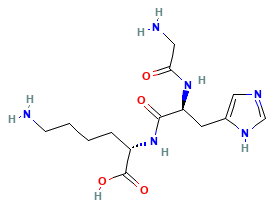
GHK-Cu
Copper tripeptide-1. Tissue regeneration studies.
CAS 49557-75-7
50mg vial · In stock
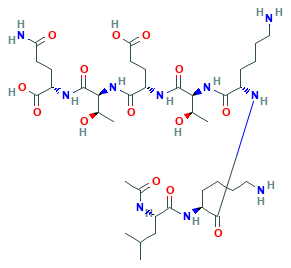
TB-500
Thymosin β4 fragment. Actin-binding domain active.
CAS 885340-08-9
5mg vial · In stock
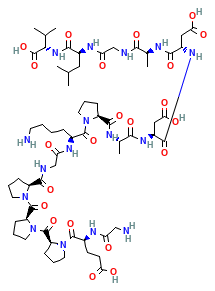
BPC-157
Pentadecapeptide. Gastric pentadecapeptide research.
CAS 137525-51-0
5mg vial · In stock

Bacteriostatic Water
0.9% benzyl alcohol, sterile USP-grade solvent.
CAS 7732-18-5
10mL vial · In stock
For laboratory research use only