BPC-157
Pentadecapeptide. Gastric pentadecapeptide research.
Also known as: BPC · BPC157 · BC · BC5 · BC10 · BC20 · BP5 · Body Protection Compound-157
CAS 137525-51-0 · C62H98N16O22
Purity
99.5%
CAS Number
137525-51-0
Molecular Weight
1419.5
Formula
C62H98N16O22
Form
Lyophilized powder
Packaging
5mg vial · 10 vials/box
Storage
-20°C, lyophilized
Solubility
Water
Chemical structure
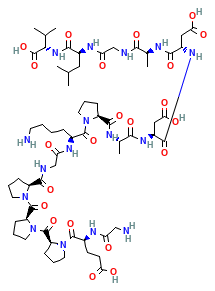
2D structure · Source: PubChem (NIH)
Research applications
Stable gastric pentadecapeptide studied in angiogenesis, tendon fibroblast, and gastrointestinal mucosa research models.
Quality Documentation
For pricing and availability of BPC-157, contact our research team.
Request a quoteFor laboratory research use only.
Related compounds
HGH 191aa
Recombinant human growth hormone. Full 191aa sequence.
CAS 12629-01-5
10IU vial · In stock
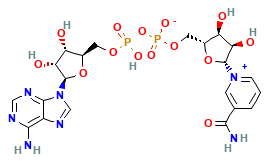
NAD+
Nicotinamide adenine dinucleotide. Cellular metabolism studies.
CAS 53-84-9
500mg vial · In stock
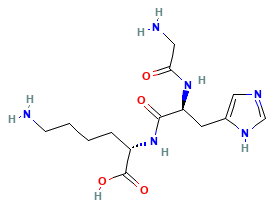
GHK-Cu
Copper tripeptide-1. Tissue regeneration studies.
CAS 49557-75-7
50mg vial · In stock
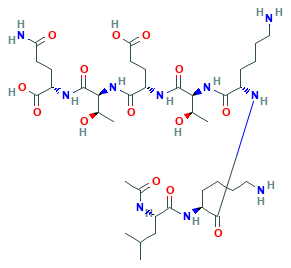
TB-500
Thymosin β4 fragment. Actin-binding domain active.
CAS 885340-08-9
5mg vial · In stock
Related journal
BPC-157 vs TB-500: Two Repair-Pathway Peptides Compared
Mechanism, molecular weight, reconstitution and research applications of BPC-157 (5 mg) and TB-500 (5 mg), the two most-asked-about repair peptides.
GHK-Cu vs BPC-157: Copper Peptide vs Pentadecapeptide
Two tissue-focused peptides from different worlds — copper complex vs gastric pentadecapeptide, 50 mg vs 5 mg vial, and how each is studied.
Peptide Reconstitution: A Practical Guide to BAC Water Math
How to reconstitute lyophilized research peptides with bacteriostatic water — concentration math, U-100 syringe units, storage, and common mistakes.