Peptide Reconstitution: A Practical Guide to BAC Water Math
How to reconstitute lyophilized research peptides with bacteriostatic water — concentration math, U-100 syringe units, storage, and common mistakes.
Peptide Reconstitution: A Practical Guide
Lyophilized (freeze-dried) research peptides are shipped as dry powder. Reconstitution — adding bacteriostatic water — turns the vial into a measured solution you can dose precisely with a U-100 insulin syringe. It is simple arithmetic, but small errors compound fast.
The three numbers that matter
- Vial dose — the total peptide in the vial, e.g. 5 mg (5,000 µg) for BPC-157 or 10 mg (10,000 µg) for retatrutide.
- Water volume — the mL of bacteriostatic water you inject into the vial.
- Target dose — the µg (or IU, for HGH 191aa) you intend per draw.
The math
Concentration = vial dose ÷ water volume.
Example: 5 mg BPC-157 + 2 mL water → 5,000 µg ÷ 2 mL = 2,500 µg/mL.
Per syringe unit = concentration × 0.01 (1 unit = 0.01 mL on U-100).
Draw volume = target dose ÷ per-unit amount.
Example: 250 µg target ÷ 25 µg/unit = 10 units = 0.1 mL.
The peptide reconstitution calculator does all of this for every lyophilized compound in the catalog, with presets for the actual vial sizes.
Three common mistakes
- Forgetting the unit conversion — mg is 1,000× µg. A 5 mg vial is 5,000 µg, not 5.
- Using the wrong syringe scale — U-40 and U-500 syringes use different units-per-mL; the math above assumes U-100.
- Reconstituting with plain water — bacteriostatic water (0.9% benzyl alcohol) preserves multi-dose vials; sterile water without preservative does not.
Storage and aseptic handling
- Lyophilized: −20 °C, protected from moisture.
- Reconstituted: refrigerate at 2–8 °C and use within the documented window.
- Swab the vial septum before each draw; use a fresh syringe per draw; never reuse needles.
Full handling data is listed on each product page — see BPC-157, TB-500 or GHK-Cu.
For laboratory research use only. Not medical advice.
FAQ
Frequently asked questions
What is bacteriostatic water and why is it used?
USP-grade bacteriostatic water is sterile water containing 0.9% benzyl alcohol as a preservative, which allows multiple draws from a single vial over time. Vyroval supplies it in sterile 10 mL vials.
How much water should I add to a peptide vial?
A common research convention is 1–3 mL per vial. Smaller volumes give higher concentrations and smaller draw volumes per dose; larger volumes are easier to measure precisely. The calculator accepts any volume.
How do U-100 syringe units relate to mL?
A U-100 insulin syringe is calibrated to 100 units per mL, so 1 unit = 0.01 mL. Converting a target dose to units is the final step of reconstitution math.
How should reconstituted peptides be stored?
Lyophilized powder is stored at −20 °C. Reconstituted solutions are typically refrigerated at 2–8 °C and used within the documented stability window — always follow the Certificate of Analysis and protocol.
Keep reading
Related articles
Peptide Storage and Stability: Keeping Your Research Vials Sound
Lyophilized vs reconstituted storage, −20 °C vs 2–8 °C, freeze-thaw effects, and the practical rules that protect expensive research material.
GHK-Cu: The Copper Tripeptide, from Structure to Vial Math
What GHK-Cu is, what the copper atom changes, how the 50 mg vial reconstitutes, and why its molecular weight matters for molar work.
Ipamorelin: The Selective GH Secretagogue
What ipamorelin is, how it differs from full-length HGH, and the 5 mg vial reconstitution math for GH-axis research.
From the catalog
Reference compounds
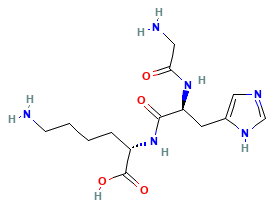
GHK-Cu
Copper tripeptide-1. Tissue regeneration studies.
CAS 49557-75-7
50mg vial · In stock
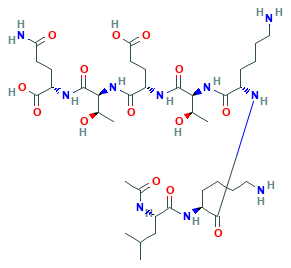
TB-500
Thymosin β4 fragment. Actin-binding domain active.
CAS 885340-08-9
5mg vial · In stock
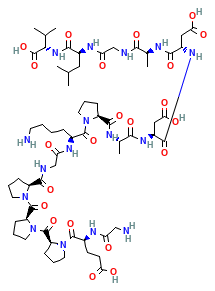
BPC-157
Pentadecapeptide. Gastric pentadecapeptide research.
CAS 137525-51-0
5mg vial · In stock
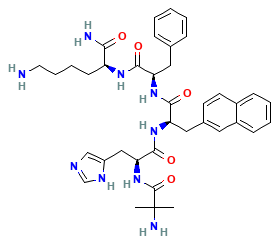
Ipamorelin
Selective GH secretagogue pentapeptide.
CAS 170851-70-4
5mg vial · In stock
For laboratory research use only