GHK-Cu vs BPC-157: Copper Peptide vs Pentadecapeptide
Two tissue-focused peptides from different worlds — copper complex vs gastric pentadecapeptide, 50 mg vs 5 mg vial, and how each is studied.
GHK-Cu vs BPC-157
Both GHK-Cu and BPC-157 get filed under “tissue repair” in researchers’ notes, but they are about as different as two small peptides can be — different size, different metal content, different research footprint.
Two molecules, two worlds
| Property | GHK-Cu | BPC-157 |
|---|---|---|
| Identity | Copper tripeptide-1 (GHK + Cu) | Gastric pentadecapeptide |
| Molecular weight | ≈ 404 g/mol | ≈ 1,419 g/mol |
| Vial size | 50 mg lyophilized | 5 mg lyophilized |
| Research focus | Fibroblast, collagen, wound-repair models | Angiogenesis, tendon, GI mucosa models |
GHK-Cu is three amino acids wrapped around a copper ion — the copper is part of what’s being studied, not an impurity. BPC-157 is a fifteen-amino-acid peptide first isolated from gastric juice, with a research footprint in angiogenesis and mucosal stability. The BPC-157 vs TB-500 guide covers the other side of the repair-peptide family.
The vial-size difference is deliberate
Protocols treat these two on different scales, which is why the vials differ tenfold:
- GHK-Cu 50 mg in 2 mL → 25,000 µg/mL. A 1,000 µg dose is 40 µL (4 units).
- BPC-157 5 mg in 2 mL → 2,500 µg/mL. A 250 µg dose is 10 units.
The reconstitution calculator carries both presets, and the molecular weight calculator helps when protocols switch to molar units.
Practical notes
Both are lyophilized at −20 °C and reconstituted with USP bacteriostatic water. GHK-Cu solutions can take on a faint blue tint at higher concentrations — a property of the copper, not a degradation sign. Full specs: GHK-Cu and BPC-157.
For laboratory research use only. Not medical advice.
FAQ
Frequently asked questions
What is the key difference?
GHK-Cu is a copper tripeptide complex (≈ 404 g/mol) studied in fibroblast and collagen pathways. BPC-157 is a gastric pentadecapeptide (≈ 1,419 g/mol) studied in angiogenesis and mucosal models.
The vials are very different sizes — why?
GHK-Cu ships at 50 mg and BPC-157 at 5 mg. Research protocols dose them on very different scales, so the vial sizes follow the typical working concentrations.
Can they be reconstituted the same way?
The math is identical (mass ÷ volume), but the numbers differ: 50 mg in 2 mL gives 25,000 µg/mL, while 5 mg in 2 mL gives 2,500 µg/mL. The calculator has presets for both.
Keep reading
Related articles
BPC-157 vs TB-500: Two Repair-Pathway Peptides Compared
Mechanism, molecular weight, reconstitution and research applications of BPC-157 (5 mg) and TB-500 (5 mg), the two most-asked-about repair peptides.
Ipamorelin vs HGH 191aa: GH-Axis Research Compared
Secretagogue vs full-length hormone — receptor route, vial form, IU vs mg math, and what each brings to growth-hormone-axis research.
Peptide Reconstitution: A Practical Guide to BAC Water Math
How to reconstitute lyophilized research peptides with bacteriostatic water — concentration math, U-100 syringe units, storage, and common mistakes.
Laboratory tools
Put it into practice
From the catalog
Reference compounds
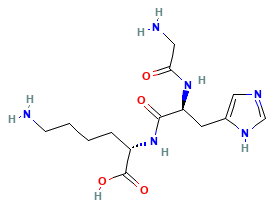
GHK-Cu
Copper tripeptide-1. Tissue regeneration studies.
CAS 49557-75-7
50mg vial · In stock
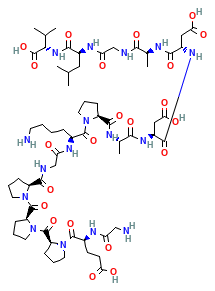
BPC-157
Pentadecapeptide. Gastric pentadecapeptide research.
CAS 137525-51-0
5mg vial · In stock

Bacteriostatic Water
0.9% benzyl alcohol, sterile USP-grade solvent.
CAS 7732-18-5
10mL vial · In stock
For laboratory research use only